
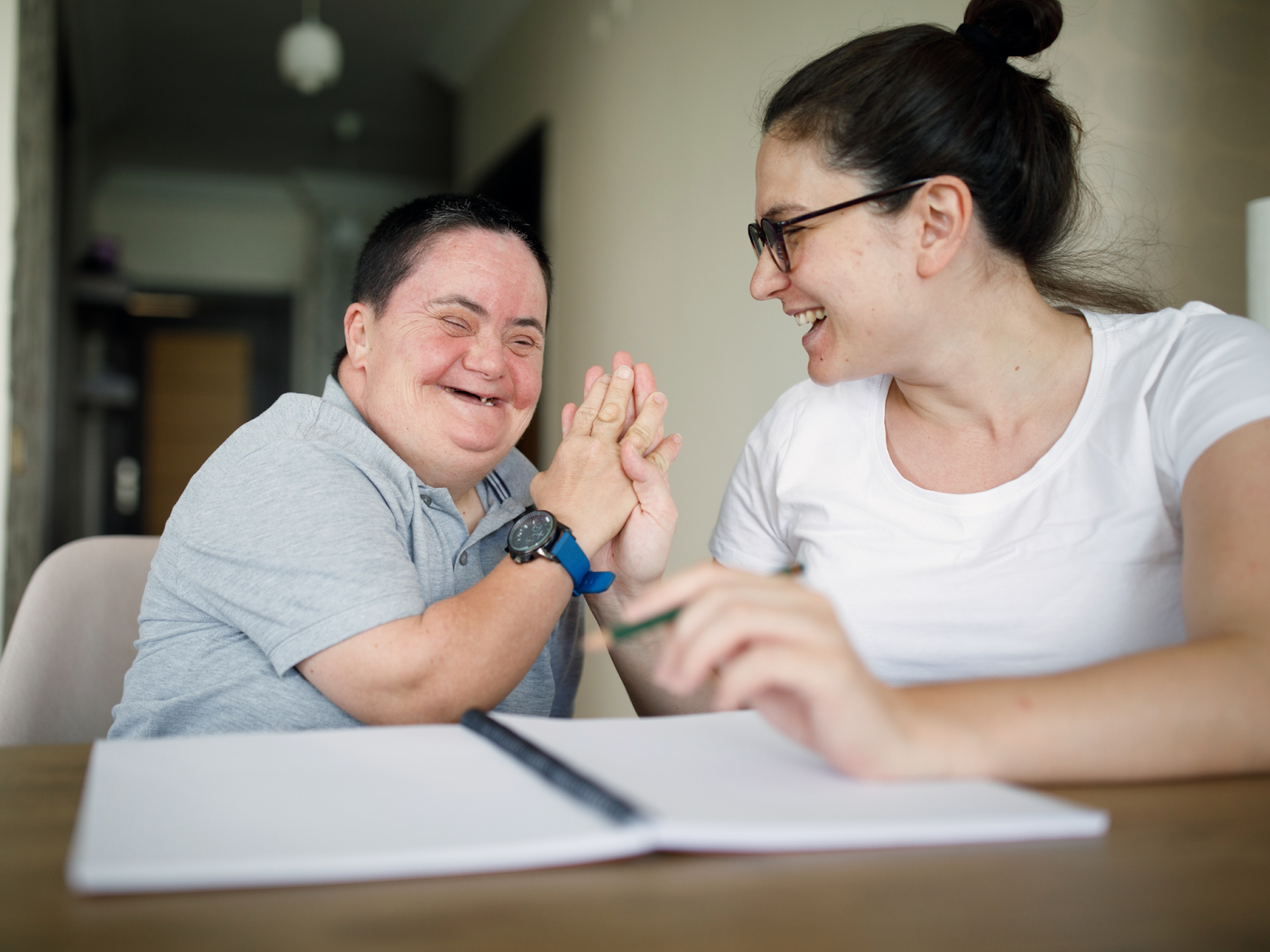
No matter how frequent, changes in support staff are a reality for many people who rely on disability support workers. Even when transitions are handled with care, staff turnover can disrupt routines, relationships, and a sense of safety. For individuals with disabilities (and their families), these changes can feel unsettling, frustrating, or even overwhelming at times.
While staff turnover can’t always be avoided, it can be managed in ways that protect stability, preserve trust, and reduce stress. With the right preparation and support strategies, transitions don’t have to mean starting over.
Why Staff Turnover Can Be So Disruptive
Disability support staff often play a deeply personal role. They may help with daily routines, communication, emotional regulation, transportation, or community participation. Over time, trust builds—not just around tasks, but around how support is provided.
When a support staff member leaves, individuals may experience:
- Increased anxiety or resistance to routines
- Difficulty adjusting to new communication styles
- Regression in skills or independence
- Emotional distress or grief
For people who rely on predictability, a change in routine or the personnel they interact with on a daily or weekly basis can feel especially jarring. Acknowledging this impact is an important first step.
Preparing for Change Before It Happens
Even when a staff change is unexpected, having some advance planning can make transitions smoother. This doesn’t mean assuming turnover will happen; it means building systems that can handle change when it does.
Clear documentation helps. Written routines, preference notes, communication strategies, and daily schedules help new disability support workers step in with greater confidence and consistency. When support isn’t dependent on one person’s memory or style, continuity is easier to maintain.
It’s also helpful to normalize the idea that supports may change over time. Talking openly—in a developmentally appropriate way—about transitions can reduce fear when change inevitably happens.
Strategies for Managing Staff Turnover
Staff changes can feel unpredictable, but having a few intentional strategies in place can help protect routines, relationships, and emotional well-being. The goal isn’t to eliminate disruption entirely. Rather, it’s to create continuity wherever possible and support smoother transitions when change occurs.
The following approaches can help individuals, families, and support teams navigate staff turnover with more confidence and stability.
Maintain Consistent Routines
Even if the person providing support changes, keeping routines as consistent as possible helps protect emotional regulation and trust. Familiar schedules, locations, and expectations can ground individuals during times of transition.
Share “What Works” Clearly
A short guide outlining preferred communication methods, sensory needs, calming strategies, and daily rhythms can help new support staff quickly understand how to provide effective care.
Support Relationship-Building Gradually
Trust doesn’t happen instantly. Allow new disability support staff time to build rapport at a comfortable pace, without pressure to immediately replicate the previous relationship.
Validate Emotional Responses
Feelings of loss, frustration, or anxiety are normal when support staff change. Acknowledging these emotions, rather than rushing adjustment, helps individuals feel respected and understood.
Involve the Individual in the Process
Whenever possible, include the person receiving support in interviews, introductions, or early decision-making. Even small choices help reinforce autonomy and reduce helplessness during change.
Supporting Stability While Moving Forward
Staff turnover doesn’t mean progress is lost. With thoughtful support, individuals can continue building skills, independence, and confidence, even through transitions.
The goal isn’t to do away with all disruption, but to reduce its impact. Stability comes from predictable systems, respectful communication, and a shared understanding that support can evolve without undermining dignity, progress, or growth.
Navigating Support Changes with NeuroNav
If you’re navigating staff turnover within California’s Self-Determination Program (SDP), you don’t have to manage these changes alone. NeuroNav’s independent facilitation services can help you reassess support needs, update plans, and build teams that prioritize continuity and long-term stability.
Whether you’re preparing for a transition or responding to one in real time, a thoughtful plan can make all the difference. Schedule a free consultation to explore support options that grow and adapt with you.

.png)