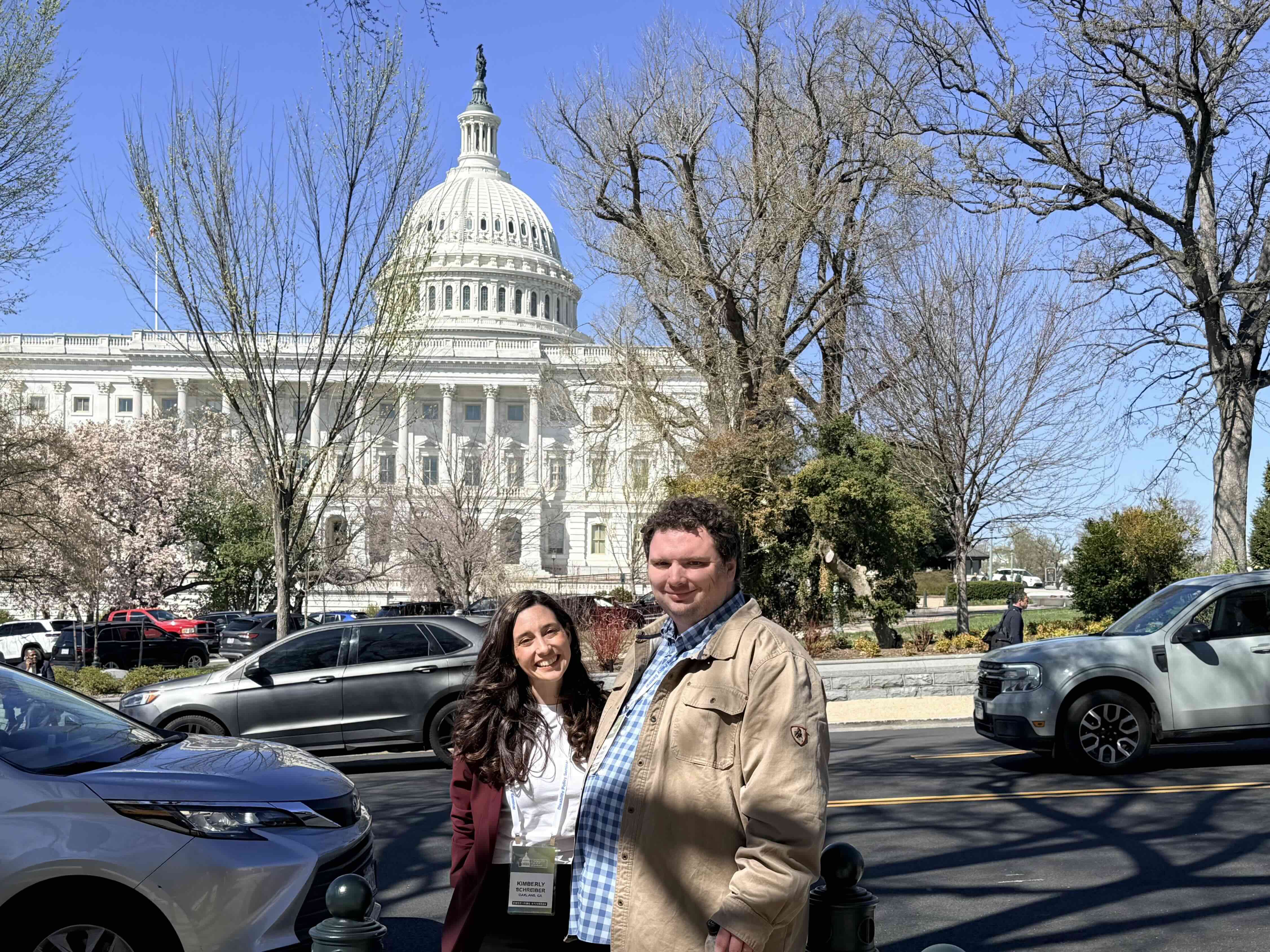
Last month, I traveled to Washington, D.C. for the Disability Policy Seminar, a national conference put on by The Arc every March. The event brings together self-advocates from across the country, direct support professionals, family members, and others who work in the field to discuss top-of-mind policy issues and make our voices heard on Capitol Hill. And to my great delight, my favorite person in the world joined me!
My brother Stephen is 30 years old and on the autism spectrum. This day was his day. He was ready to speak to his congressional representatives about how essential it is that we support people with disabilities and protect the programs that serve them.
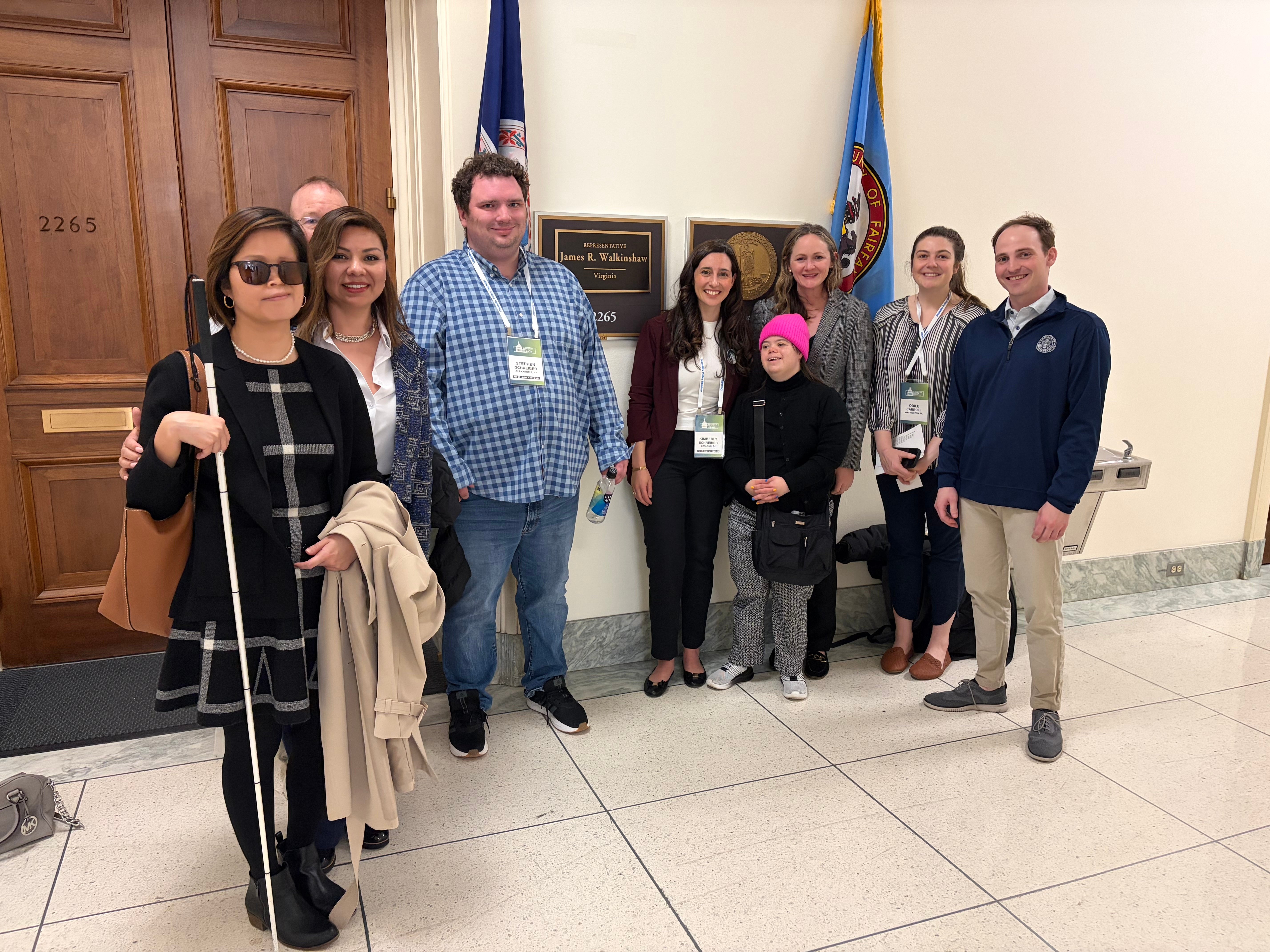
Stephen lives independently in his own apartment thanks to subsidies from HUD. He has companion care and a day program that make it possible for him to live on his own and access his community. He is dependent on these supports to live the wonderful life he has built. Without them, he believes he would live in an institution.
The One Big Beautiful Act is forcing states into an impossible position: care for your most vulnerable citizens with significantly less money. The cuts threaten Home and Community Based Services (HCBS) waivers — the programs that more than one million people with intellectual and developmental disabilities depend on to live in their communities rather than institutions. What makes this especially precarious is that HCBS waivers are a non-mandatory Medicaid benefit. States aren't required to offer them, which means that when budgets tighten, these services are among the first on the chopping block.
That reality is what brought us to Capitol Hill. Stephen shared his lived experience in multiple meetings with congressional staffers. He made the point that his support services should be considered mandatory sharing in the meeting “you wouldn't consider a wheelchair non-mandatory for someone who uses one and the same is true for my support staff. It is just a different type of need.”
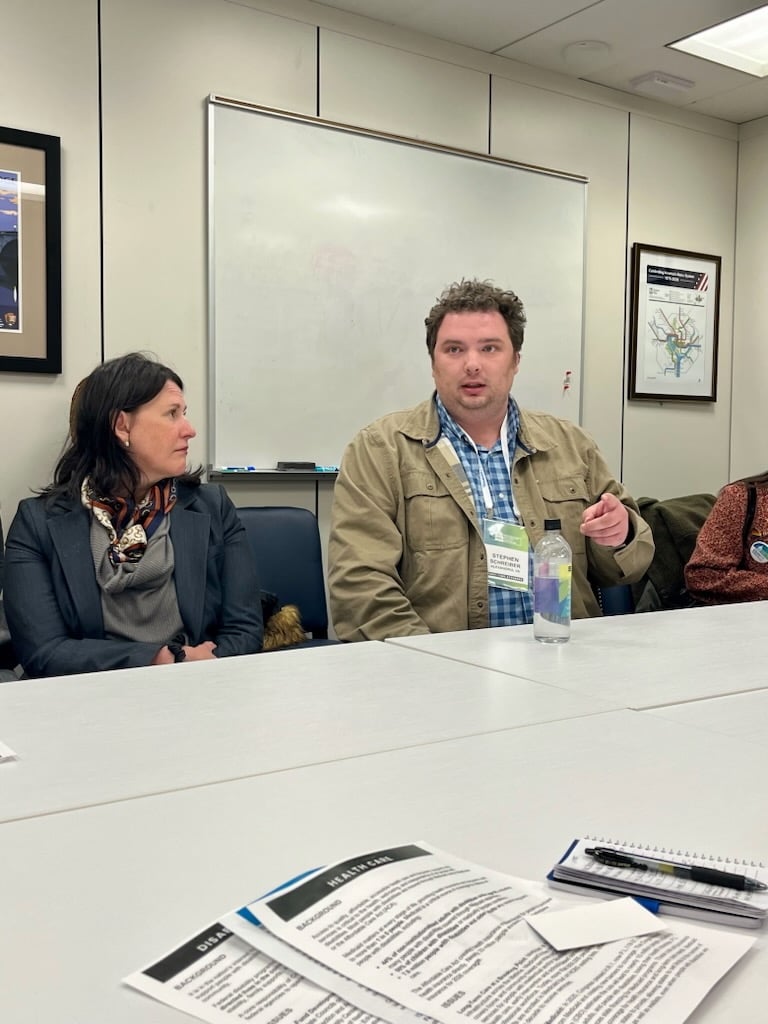
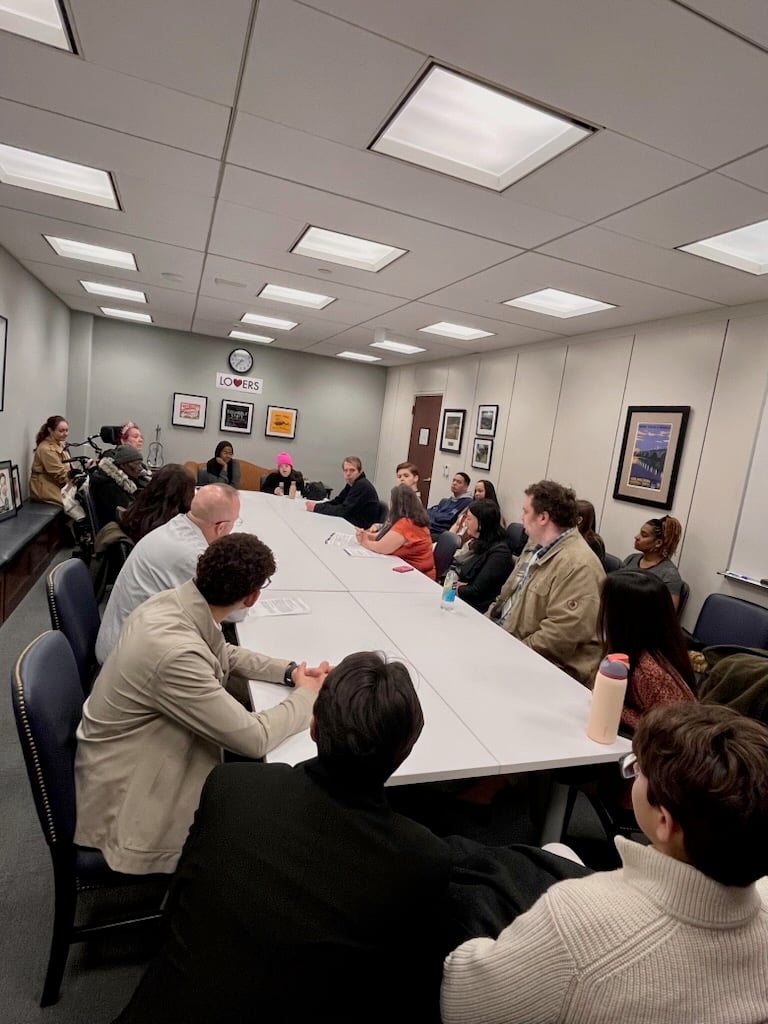
He also said that these policies should be determined with people with disabilities, not without them. Without these services, he shared that he would be in a really bad place. It is important not only to protect them but to expand access. There are nearly 800,000 in Stephen's situation on waitlists for support.
It was a really beautiful and moving experience. My little brother has never done anything like this before. People shared afterward that the whole mood in the room shifted after he spoke.
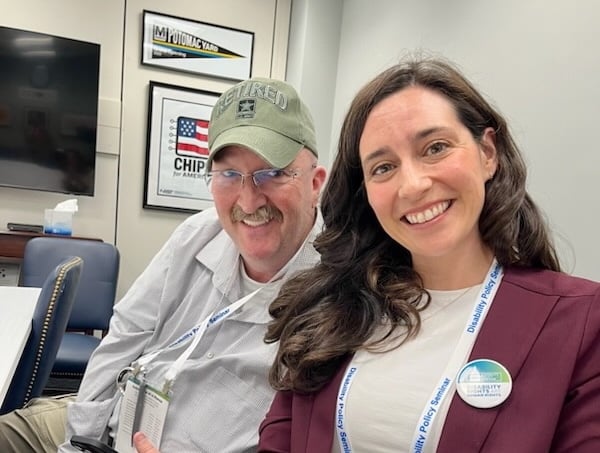
Steve Crumb, Stephen's companion who attended with us, also spoke in the meetings. He shared his experience of how impossible it is to live off the funding provided by his low wage rate for work that he does. He couldn't possibly do it just for the money because he couldn't survive off the money alone. Staff shortage due to these unsustainable wages are leading to constant turnover in these essential roles.
This is a time where advocacy matters deeply. It matters for people to understand why this community is scared and concerned about funding. It matters that people understand how people with disabilities will be impacted by these Medicaid cuts. And it's important to realize that this funding and these services are necessary supports to life.
I am a very proud sister and I will be sharing Stephen's story and his inspiring words in every channel I have available to me. I hope you do too.
Written by Kim Schreiber, CEO & Co-Founder of NeuroNav