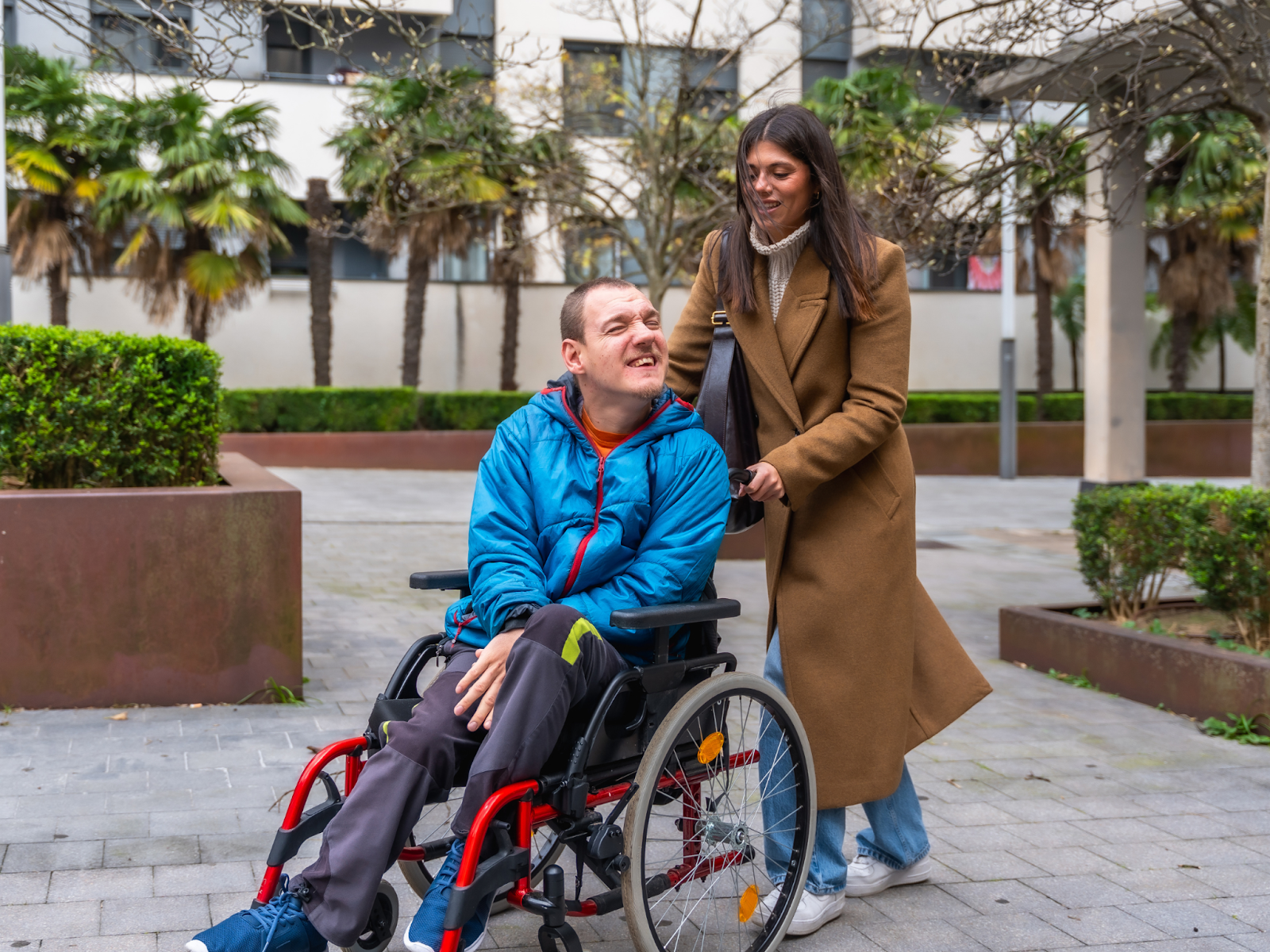
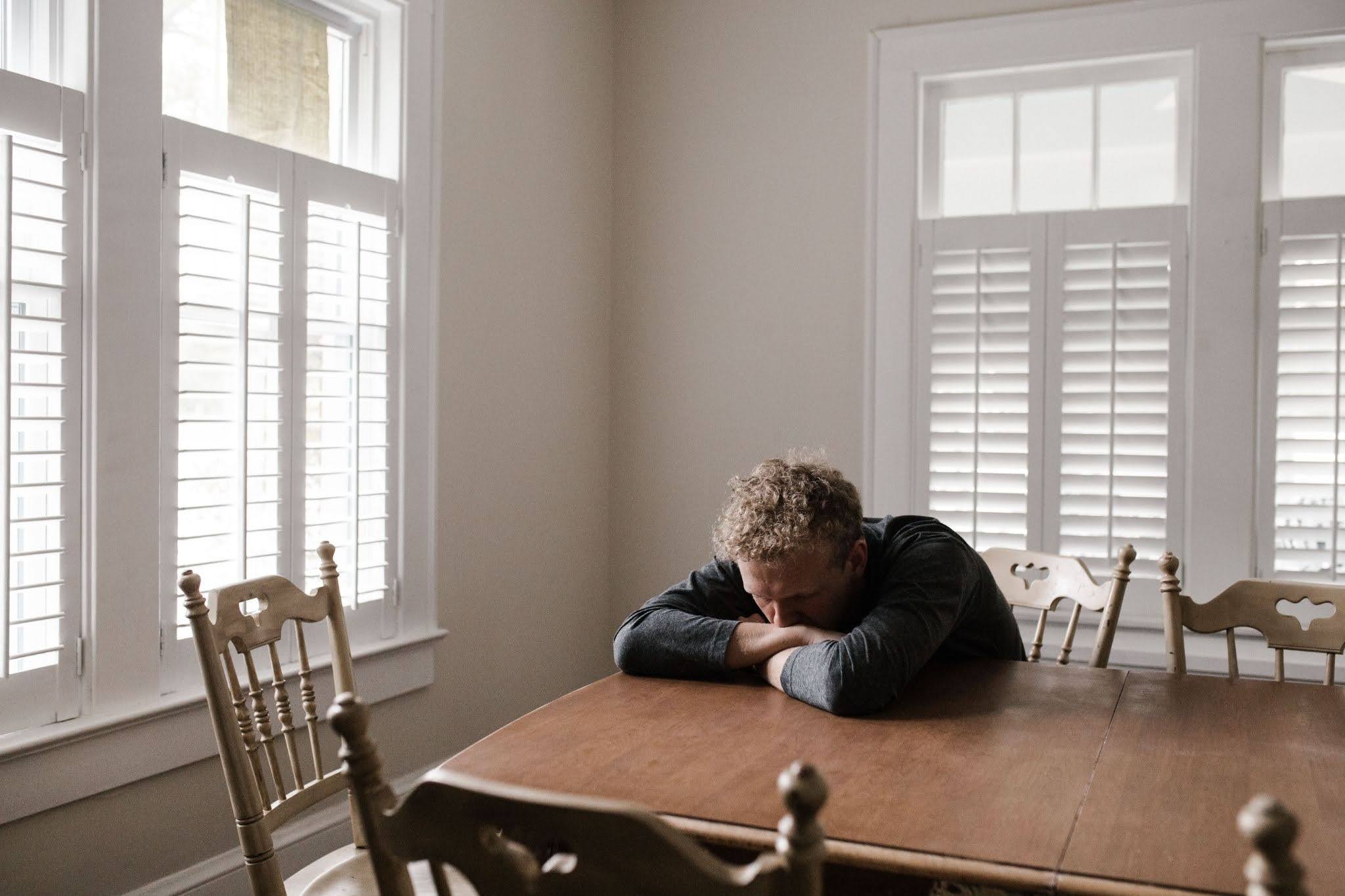
One day, your son comes home from school and goes straight to his room. He doesn’t pick up the tablet and start playing games online with his friends like he normally does. After a couple of weeks of this behavior, you start wondering what the potential cause may be.
Refraining from your normal activities, especially those involving social interactions, can lead many people to consider depression. If your son has autism spectrum disorder (ASD), though, he might be experiencing what’s known as autistic burnout.
But how do you know for sure? Evaluating yourself or your loved one for autistic burnout (vs. depression) is important for identifying the best path to feeling better.
What is Autistic Burnout?
Autistic burnout (sometimes called autistic shutdown) is not a clinically recognized condition, but it’s nonetheless a widely accepted phenomenon among autistic individuals. It occurs when they mask or minimize their symptoms and needs in order to fit into a world that has few (if any) accommodations for people with autism.
For a variety of reasons, autistic people sometimes try to push through discomfort related to their condition. Over time, they become chronically exhausted, which makes them less able to deal with stimuli. A discrepancy between the demands placed on an autistic person and their ability to meet those unreasonable demands is at the root of autistic burnout.
Why Understanding Depression in Autistic Adults Matters
To best understand autistic burnout, you should also understand major depressive disorder, or depression. It’s good to identify the ways these two conditions overlap.
Both autistic burnout and depression can feature:
- Social isolation
- Concentration difficulties
- Central fatigue
- Changes in appetite
- Emotional lows
However, the treatment or remedies for autistic burnout and depression are different. For example, most mental health professionals encourage people experiencing depression to socialize with family and friends, even when they don’t feel like it. They can experience brain-boosting chemicals that help alleviate chemical imbalances in their brains.
Conversely, the only way to combat social withdrawal in people with autistic burnout is to let them continue. Autistic burnout results from exhaustion, and rest is best.
Autistic Burnout vs. Depression: Key Differences to Watch For
Ultimately, helping your loved one pinpoint the cause of their symptoms lies in knowing the important distinctions of autistic burnout versus depression.
Sensory Sensitivity
The more burned out an autistic person becomes, the less they are able to manage discomfort from stimuli. Their sensitivity goes up. This decreased tolerance to stimuli stands in contrast to depression, which often makes people less responsive to sensory assaults.
Masking Difficulties
During autistic burnout, your loved one may also lose some of their ability to mask traits of their condition, which results from having to mask too much for too long.
Skill Regression
Closely related to masking difficulties is the regression of certain life skills. For instance, executive functioning is often one of the first things to decline during autistic burnout. Communication skills can also decrease. Overall, your child or loved one may not be able to function as well as they previously did.
How Can I Address Autistic Burnout or Depression?
The most effective way to address autistic burnout or depression in your loved one is to enlist the help of a trusted doctor or mental health professional. Although you should always have your antenna raised for potential autistic burnout, it’s also quite common for autistic individuals to experience symptoms of depression; over 40 percent of people with an autism diagnosis deal with depression at least once in their lives.
Apart from professional intervention (and potentially medication), a few things to help with autistic burnout specifically include:
- Decreasing demands on your loved one.
- Reducing sensory stimuli for them.
- Maintaining a predictable daily routine.
- Increasing accommodations at home, school, and work.
Remember that depression can follow episodes of autistic burnout. If you’re not sure what your loved one is going through, a medical professional can help distinguish what, exactly, they’re experiencing.
SDP Can Help Enable Access to Services & Supports That You Need
Getting the right services and supports for your loved one is essential for preventing future episodes of autistic burnout. Many Californians with autism have had a wonderful experience with the Self-Determination Program (SDP), which allows flexibility when choosing Regional Center services.
Getting started with the SDP can be a little overwhelming, though. To that end, NeuroNav has a team of experienced, knowledgeable independent facilitators who can guide you through the enrollment process. After enrollment, we’ll ensure you’re getting the most out of the SDP and advocate for you when something needs to change.
Contact us to schedule your free consultation at your convenience!