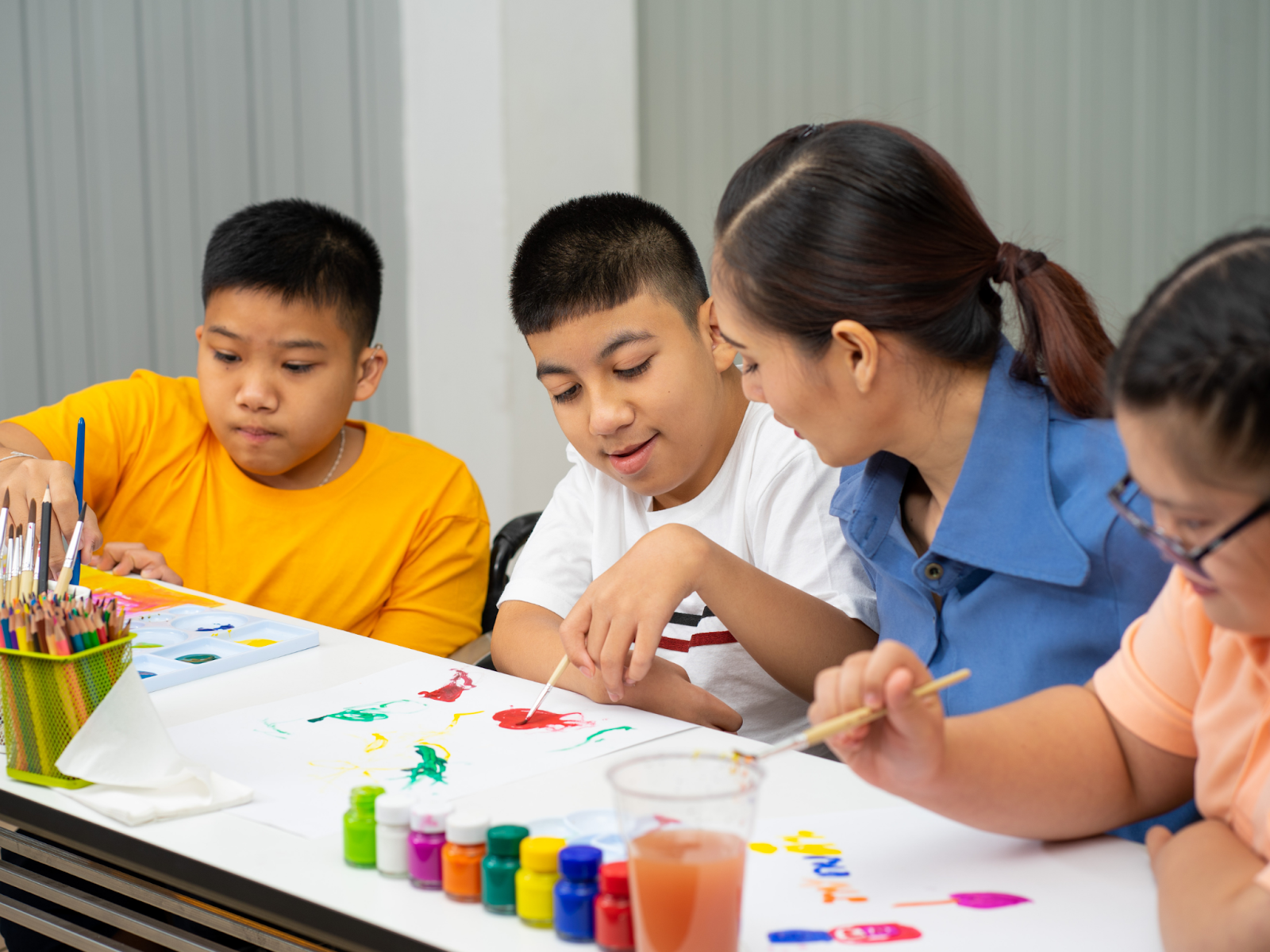
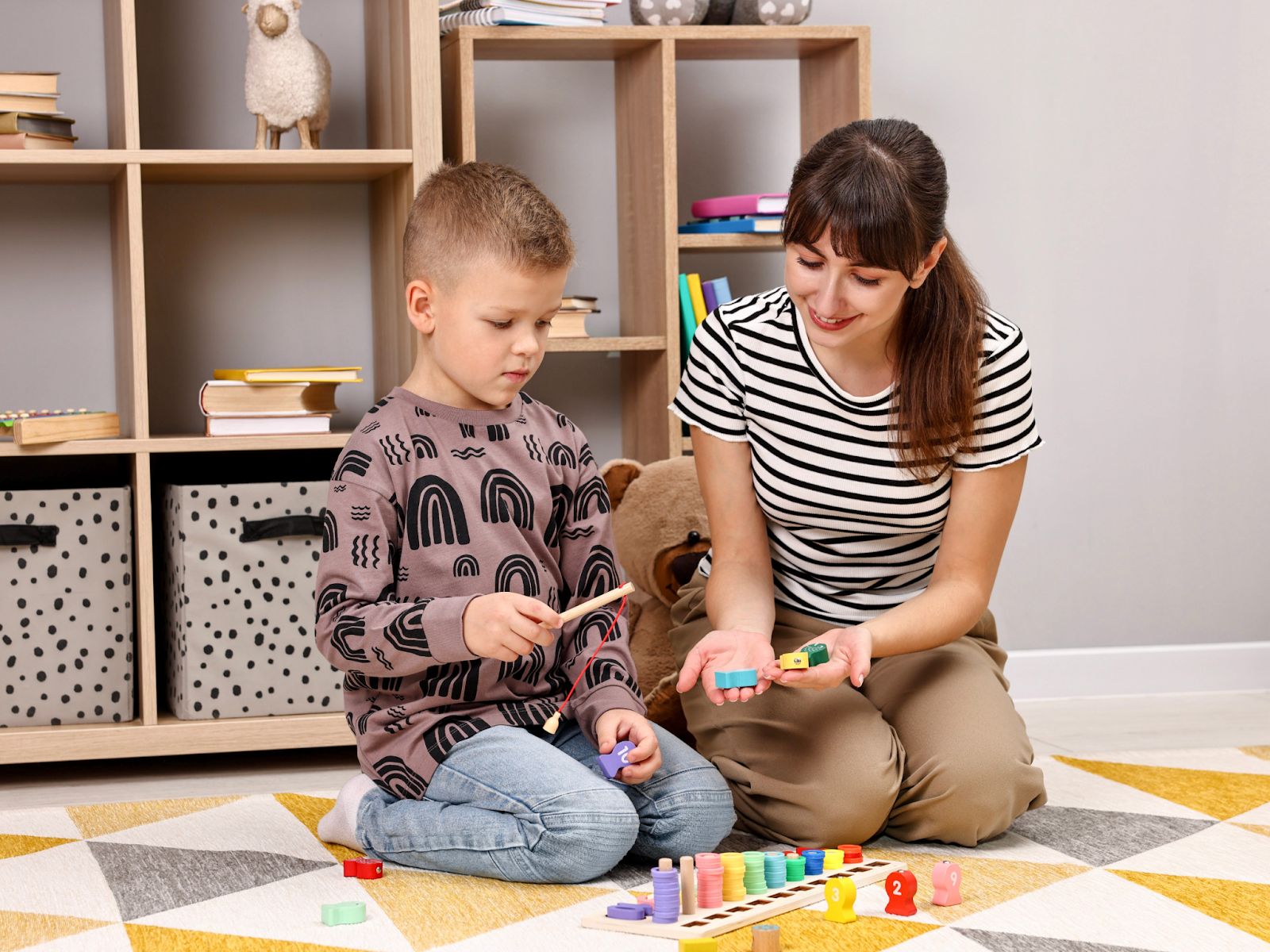
Play is more than just entertainment; it’s one of the most powerful ways children learn about themselves, others, and the world around them. When it comes to autism and play, meaningful activities can support emotional regulation, communication, and overall development while also bringing genuine joy. The key is choosing play experiences that honor a child’s interests, sensory needs, and natural way of engaging, rather than trying to force “typical” play behaviors.
Why Play Matters for Autistic Children
Play supports brain development and autism in important ways. Through play, children practice problem-solving, build motor skills, explore their creativity, and learn how to interact with others at their own pace.
For autistic children, play can also provide a safe outlet for regulating emotions, reducing stress, and expressing needs when verbal communication is difficult.
It’s important to remember that play doesn’t have to look a certain way to be valuable. Lining up toys, repeating actions, or focusing deeply on a single interest can all be meaningful forms of engagement and learning.
Understanding Different Types of Play in Autism
Autistic children may engage in play differently than their neurotypical peers, and that’s perfectly okay. One common example is parallel play in autism, where a child plays alongside others without direct interaction.
Parallel play helps build comfort in shared spaces and routines, which can naturally evolve over time into more interactive play (if the child chooses).
Other children may prefer solo play, imaginative worlds built around special interests, or specific sensory-based activities. None of these styles is “less than” when it comes to play. They simply reflect different ways of processing information and enjoying the environment.
Sensory Play and Autism: Meeting Regulation Needs
Sensory play and autism often go hand in hand. Activities that engage touch, movement, sound, or visual input can help children regulate their nervous systems and feel more grounded. Sensory play can be calming, alerting, or organizing, depending on the child’s needs.
Some sensory play activities for families of children with autism often include:
- Playing with kinetic sand, water, or slime.
- Swinging, jumping, or climbing for vestibular input.
- Using weighted items, textured toys, or fidget tools.
- Listening to music or exploring cause-and-effect sound toys.
Not every child will enjoy the same sensory experiences, so observation and flexibility are key. What feels soothing to one child may feel overwhelming to another.
Play, Communication, and Language Development
Play can support autism language development without requiring formal instruction. Activities that involve turn-taking, imitation, or shared attention—like rolling a ball back and forth or building something together—can gently encourage communication.
For some children, play therapy approaches may be helpful. Play therapy for autism focuses on following the child’s lead, building trust, and using play as a bridge for emotional expression and connection, rather than directing or correcting behavior.
Choosing Activities That Fit Your Child
When selecting play activities, start with your child, not a checklist. Consider:
- What topics or objects capture their interest?
- Do they seek movement or prefer quieter activities?
- Are they more comfortable playing alone, with siblings, or alongside peers?
The goal of autism and play isn’t to change how a child plays, but to support how they naturally engage. Look for fun games and activities that appeal to their personal interests and play style.
When children feel safe and understood, skill-building often happens organically.
Supporting Joy, Not “Fixing” Behavior
Play should feel enjoyable, not like therapy disguised as fun. While play can support development, it shouldn’t be used to correct or suppress autistic traits. Joy, curiosity, and connection are just as important as measurable outcomes.
By respecting a child’s preferences and pacing, families can create play experiences that build confidence, strengthen relationships, and support long-term well-being.
Find Support for Play-Based Development with NeuroNav
Every child’s needs and interests are different, and the right supports can make a world of difference. NeuroNav offers independent facilitation services to help families navigate California’s Self-Determination Program (SDP) by exploring services, resources, and individualized planning options aligned with their child’s strengths, goals, and daily life.
Whether you’re navigating early childhood supports or planning for the future, guidance is available to help play and development remain joyful and affirming. Schedule a free consultation today to get started.
-1.png)