
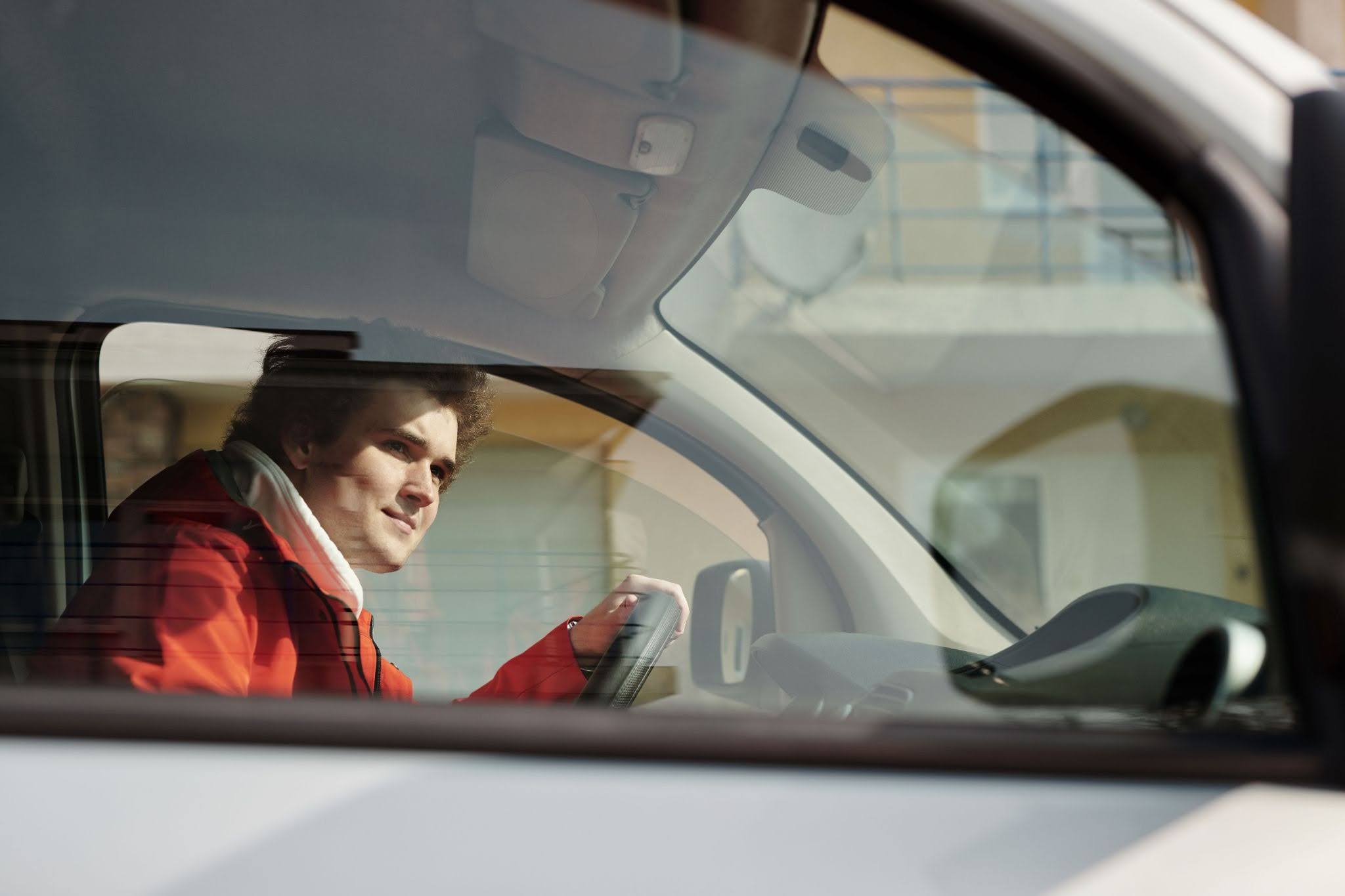
Living in an area without reliable public transportation typically means one thing: you, or someone close to you, needs to know how to drive a car. Learning to drive can also be a big step toward independence and self-determination.
For many people on the spectrum and their friends, family, and caregivers, though, the question “can autistic people drive?” doesn’t have a clear answer. While there are no statutory limitations on driving with autism, at least in California, there are other reasons an autistic individual may face challenges on the road.
Below, we take a look at how autism can affect driving, including tips for autistic individuals looking to get on the road and alternatives for those who prefer not to get behind the wheel.
Can Autistic People Drive Cars?
Yes! Many autistic people can—and do—drive their own cars. The same driving tests, both written and on-the-road, along with the vision screening, apply to all neurotypical and neurodivergent people.
Just as importantly, autistic people are not subject to any additional or enhanced testing. Some medical conditions, such as epilepsy and others that cause temporary loss of consciousness, require potential drivers to submit a note from their doctor. ASD was previously on this list in California, but is no longer.
Driving with Autism Can Come with Challenges
Neurodivergent or not, driving isn’t for everyone. The 405, especially during peak traffic times, can unnerve even the most experienced drivers.
Still, ASD has symptoms that can present unique challenges to some drivers, including the following:
Unique Mental Processing
A relatively common feature of ASD is the tendency for autistic people to prioritize each new piece of information equally. That can potentially impair their ability to focus on the most important parts of driving, such as traffic signals and the distance between themselves and the car in front of them.
Another consideration is hyperfocus. Driving requires people to shift their attention between things rather quickly, and autistic people might find it challenging to address unexpected factors on the road.
Sensory Processing Challenges
The sheer amount of sensory stimuli drivers must absorb while on the road can dissuade some autistic people from driving. Bright headlights, honking horns, powerful engines, and loud music can produce sensory overwhelm.
Plus, many strategies people use to deal with sensory overload, such as noise-canceling headphones, are not safe to use while driving. This can make managing sensory challenges even more frustrating.
Communication Challenges
Staying safe on the road requires understanding a little bit of human psychology. For instance, is that car right next to you going to speed up or slow down so you can merge onto the freeway? Did that driver raise their hand to thank you or to signal their displeasure?
Those are just two questions people with autism might face while driving. If these situations might provoke stress or uncertainty in you or a loved one, plenty of practice in low-traffic environments can help you grasp the roadway’s nuances.
Transportation & Driving Tips for Autistic Adults
While you shouldn’t feel pressure to drive simply because others around you do it, it’s important to remember that many autistic people drive successfully – in fact, some even love driving after getting the hang of it! The ability to go where you need to, when you need to, is huge for independence and self-confidence.
If you’re working toward your license, or just want to get more comfortable managing the challenges that come with driving, here are a few tips to get you started:
- Start off as slowly as you need to. There’s no time limit for getting your permit or driver’s license—you can do so when you’re 20, 40, 60, or even older.
- Begin practicing in a familiar area during non-peak traffic periods. Many people only drive to a couple of places within a few miles of their home. Don’t feel like you have to move onto the freeway.
- Give plenty of guidance to the driving instructor. Most professional driving instructors are knowledgeable about teaching neurodivergent people, but it never hurts to provide directions. Every autistic person is different, after all!
- Don’t push things. If you or your loved one wants a break from driving, respect that need.
- Look up the Blue Envelope Program. The National Public Safety Alliance for Individuals with Disabilities has information on a tailored, specialized communication method for autistic drivers. It can come in handy during routine traffic stops and other interactions with law enforcement.
- Leverage the Self-Determination Program for transportation vouchers. If driving isn’t something you feel you can do, it’s still important to make plans for your hobbies, employment, and other fulfilling activities. Your participation in SDP can include funding for non-medical transportation, such as ridesharing apps or bus passes.
For California Residents, SDP Can Pay for Driving-Related Services and Supports
Whether or not driving is a goal of yours, SDP exists to facilitate your independence and prioritize your hopes and dreams. SDP allows participants to get creative with their person-centered plans. But between that document and countless other forms, participants can get overwhelmed by SDP’s complexity.
NeuroNav’s independent facilitation services are designed to help SDP participants and their loved ones enroll in the program and secure essential services. After enrollment, our caring team can monitor your progress and advocate for you at every turn.
We’d be more than happy to speak with you during your complimentary initial meeting; schedule a consultation with the NeuroNav team whenever you’re ready!

.png)